Digging for clues about the North Pole’s past
To understand what the future holds for Earth’s northernmost waters, scientists are burrowing deep below the seabed.
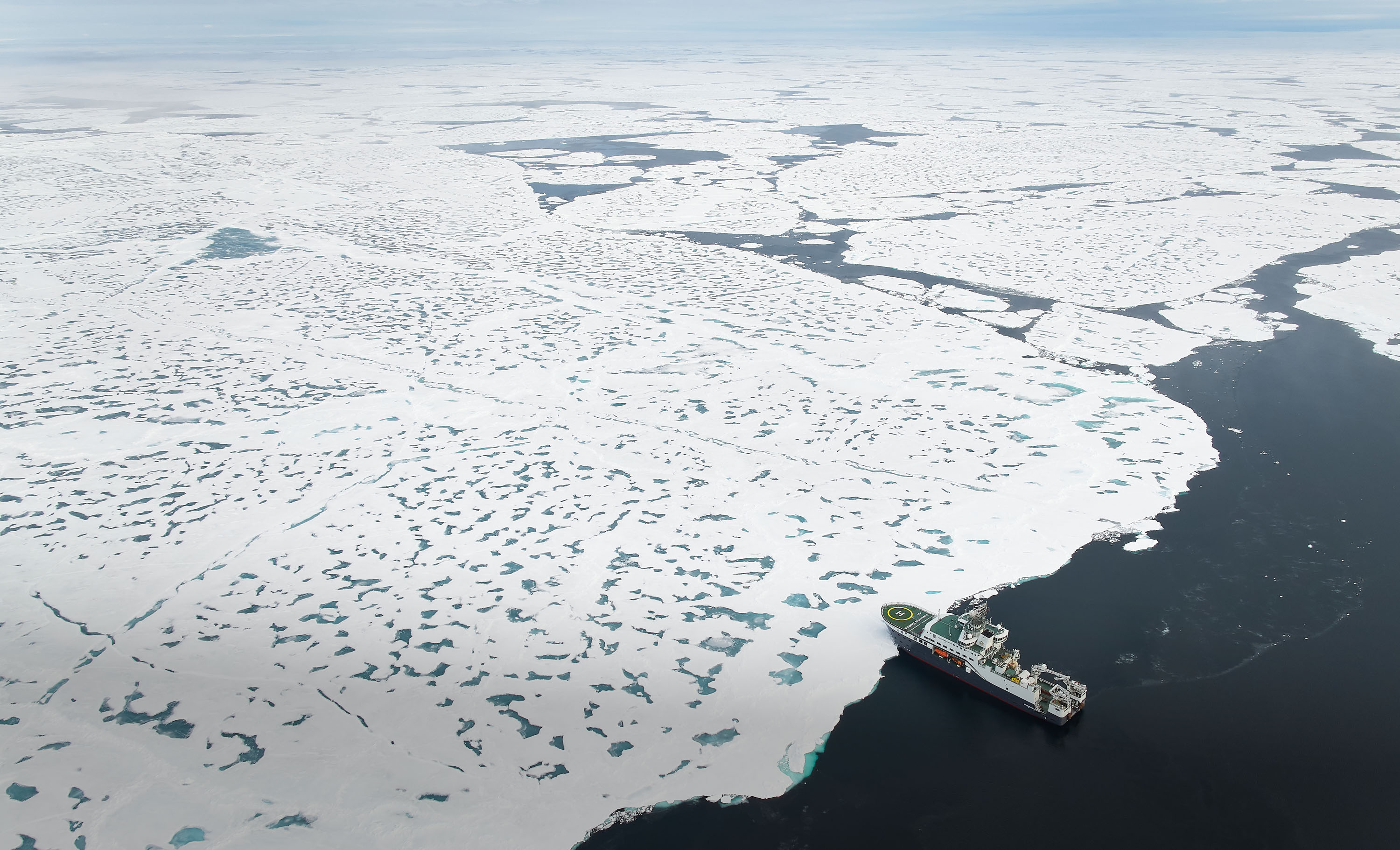
In the past, even with an icebreaker and during peak melt season, getting to the North Pole wasn’t a sure bet. It took favorable winds to crack the frozen ocean surface, and ships had to fight through ice that had grown many meters thick over several winters. In the summer of 2025, though, Jochen Knies from the Arctic University of Norway, Tromsø, and his team met little resistance on their way to 90 degrees North with the research vessel Kronprins Haakon. The geologist “didn’t hear the usual grinding of ice” against the hull that he remembered from 1996, when he first reached the pole by ship. Instead, thin floes and large stretches of open water made for an easy, quiet passage. To him, it was “a reminder of how quickly the Arctic is changing.”
Since the late 1970s, when satellite observations of the polar seas began, summer ice cover of the Arctic Ocean has declined by more than 40%. In less than half a century, a frozen area the size of the Mediterranean Sea has turned into blue open water with the rapid warming of the high northern latitudes. If this trend continues, there could soon be summers at the North Pole with no sea ice whatsoever. The last time this happened may have been some 120,000 years ago. But no one knows for certain.
That’s why Knies and his colleagues, a team of researchers from Norway and Germany, set out from Svalbard to the central Arctic last August. The aim of their five-week mission was to determine whether this region had been ice-free in recent Earth history—and if so, when. As part of a €12.5 million project financed by the European Union, they also came to answer some questions about the future of the Arctic and beyond: How does the loss of sea ice affect the marine ecosystem? What are the consequences for ocean circulation and global climate?
In search of clues, the expedition collected sediment cores up to 22 meters in length at different locations across the Arctic seafloor. Marine sediments are valuable climate archives that give scientists a window into bygone eras. Like diligent record keepers, they can log past water temperatures, sea-ice coverage, and the strength of ocean currents. These data are encrypted in the chemical and physical properties of the plankton remains and weathered rock deposited on the seabed.
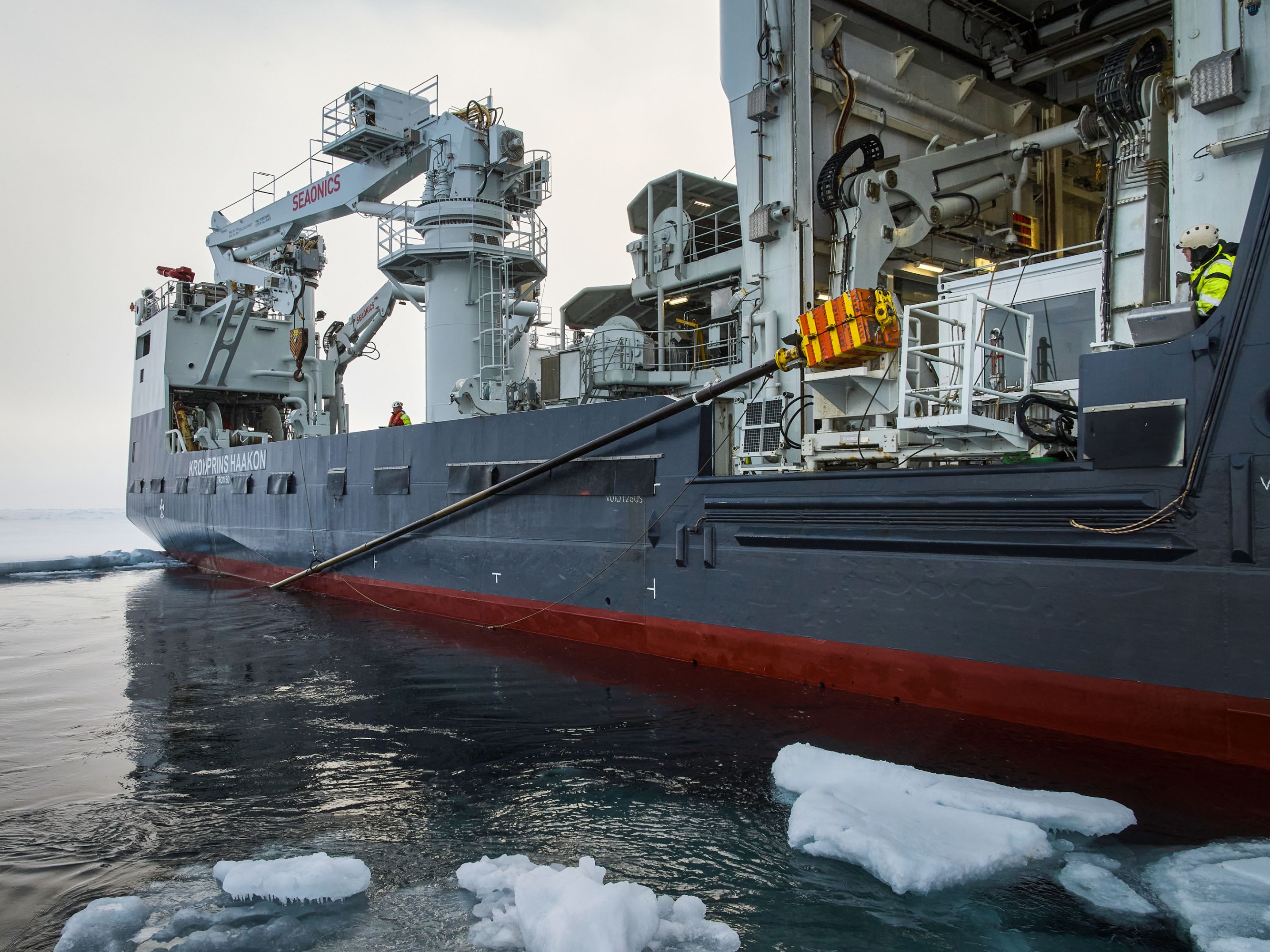
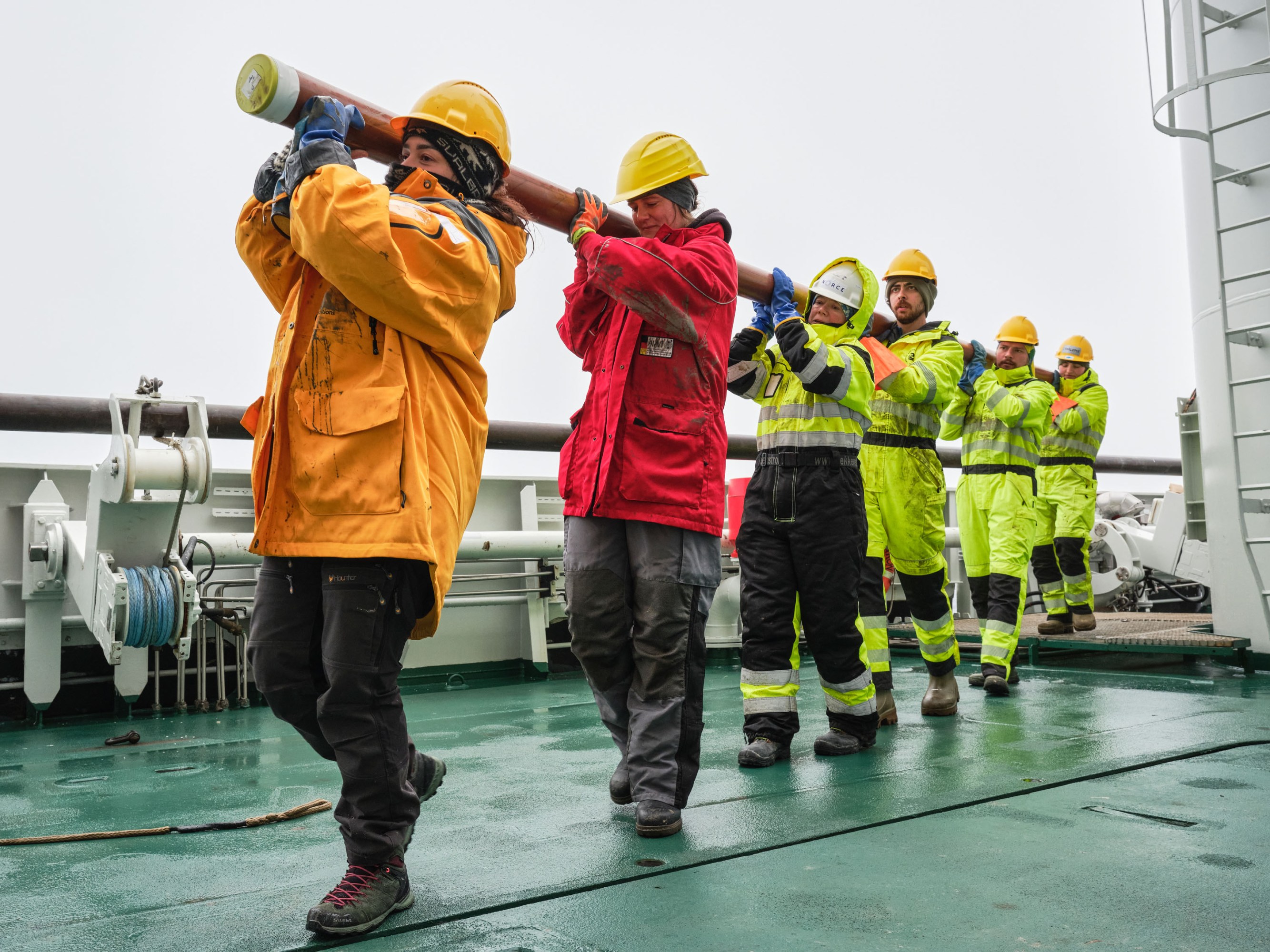
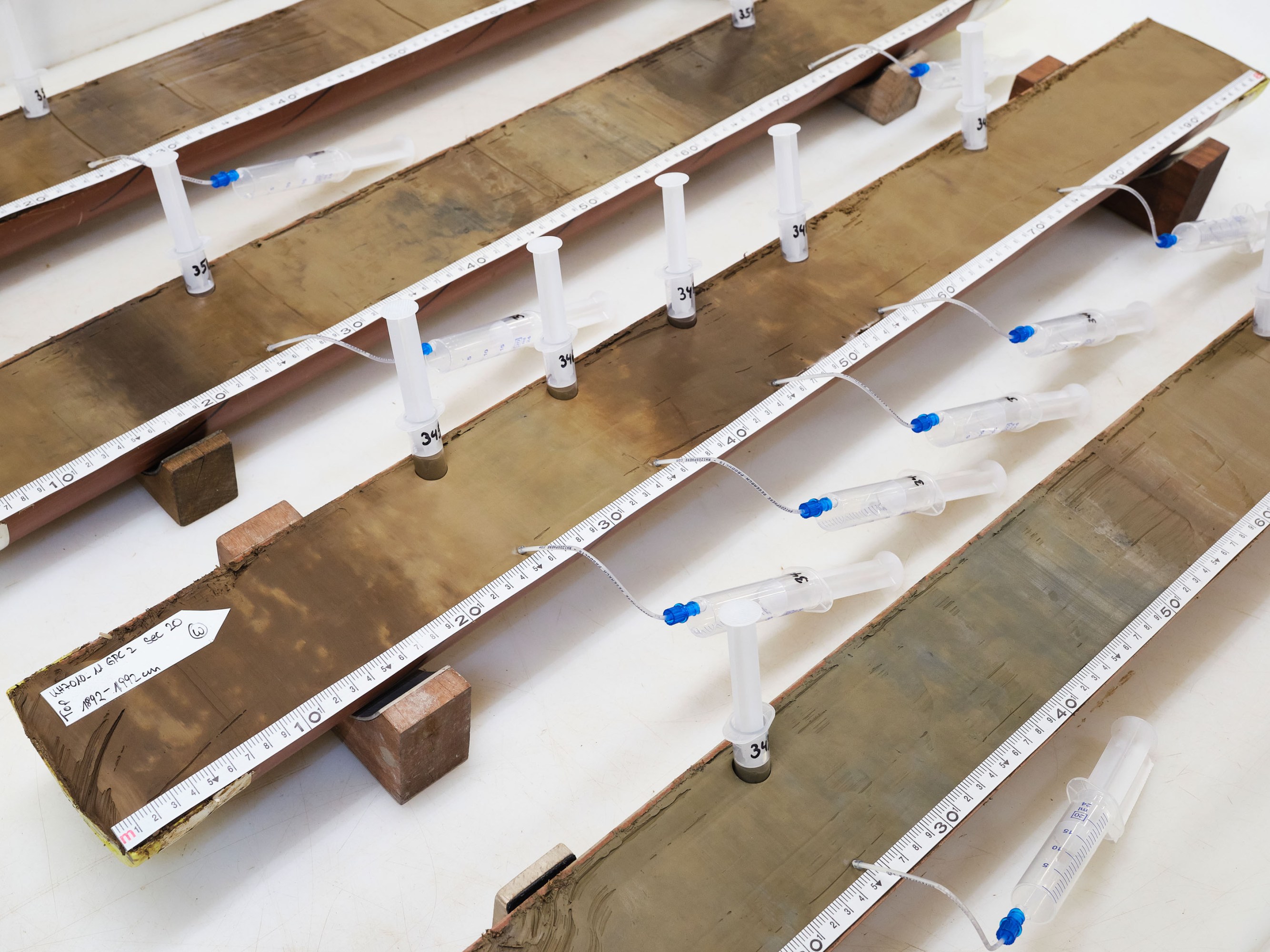
While sediment cores several meters long had been recovered on earlier expeditions in the central Arctic, there is no scientific consensus on how old the deposits actually are or whether sea ice ever completely disappeared in summer.
To decode the Arctic’s climate archive, Knies brought a team of experts from various disciplines onboard the Kronprins Haakon to dig deeper and obtain fresh samples they could subject to the latest analytical techniques.

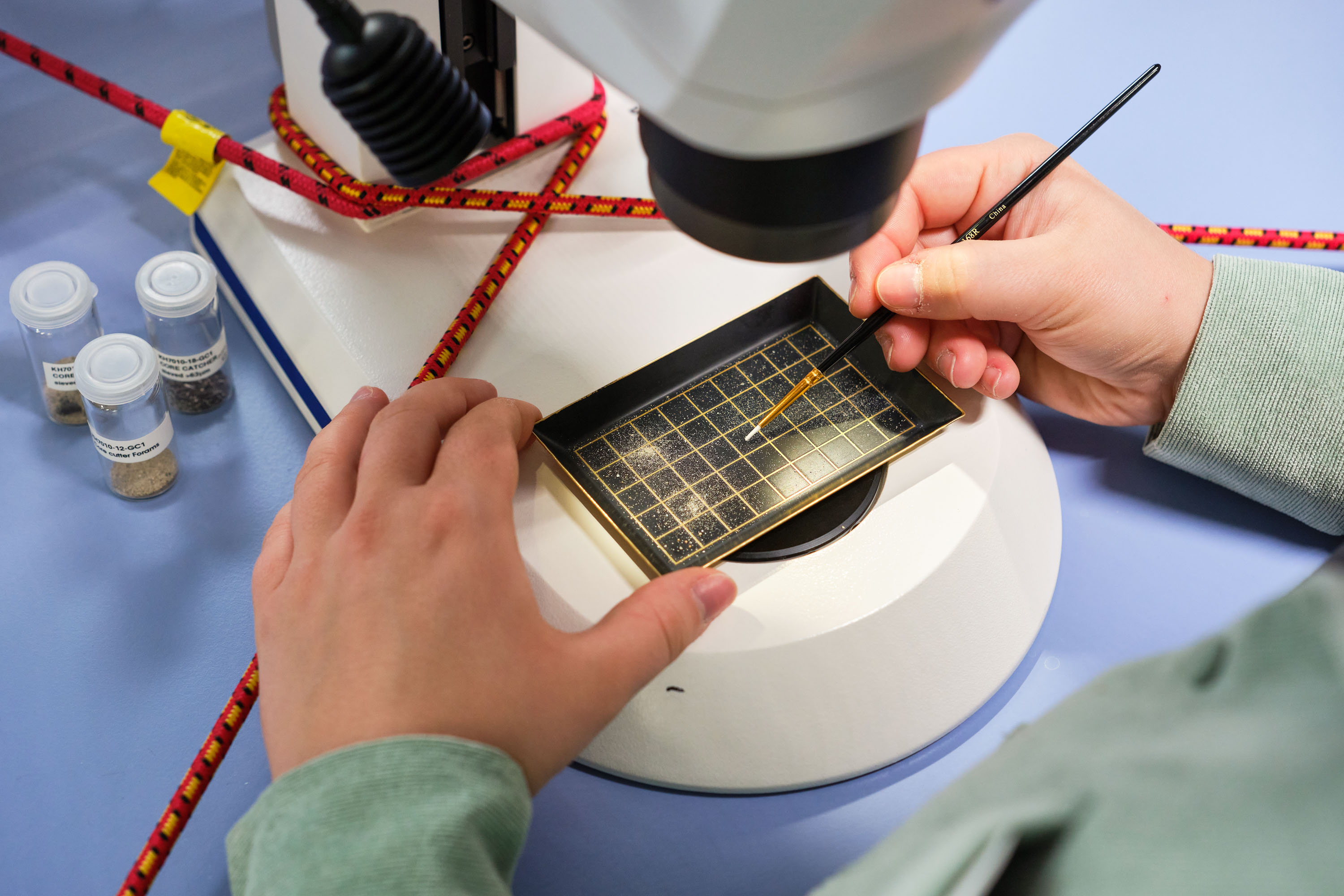
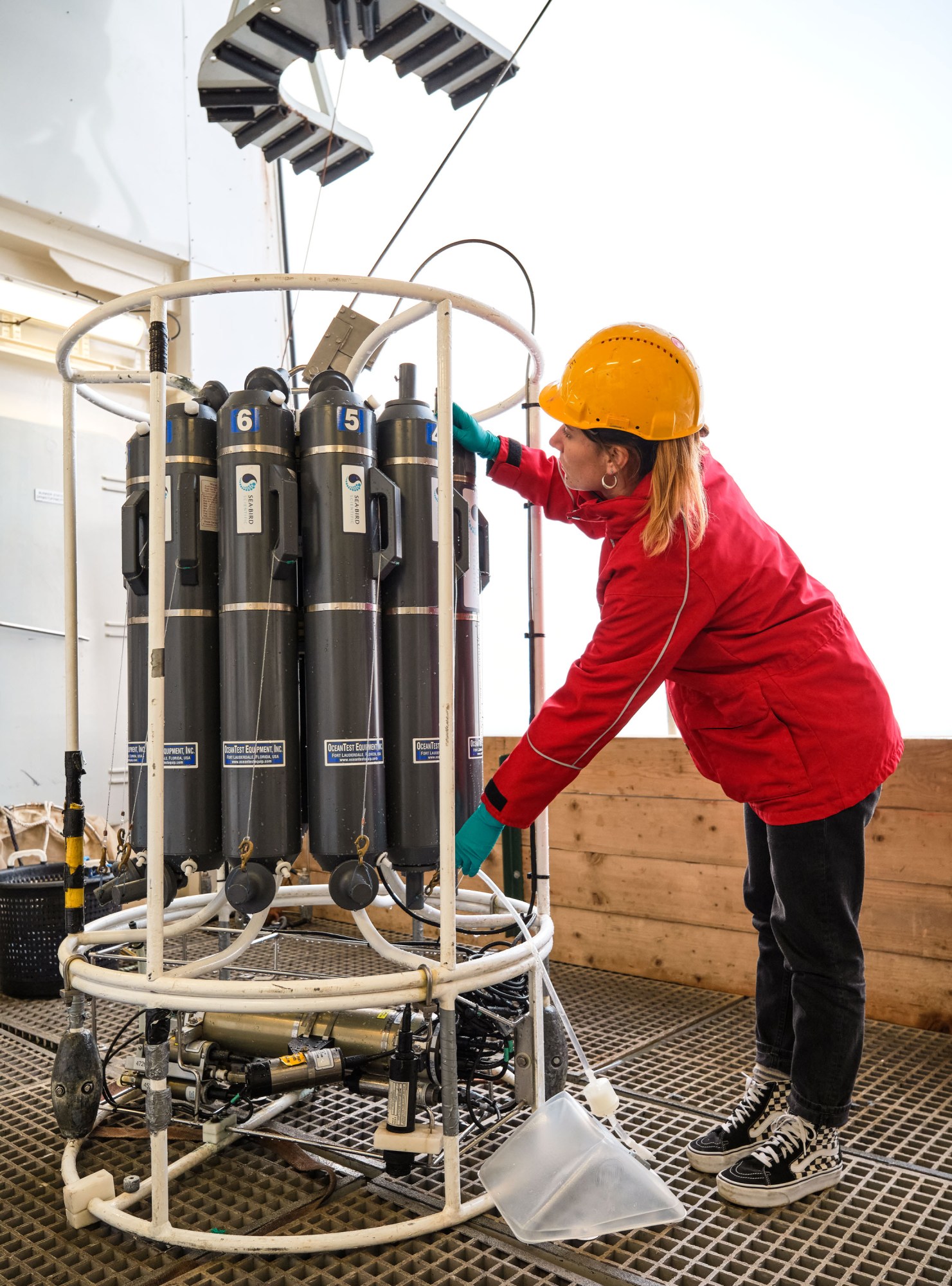
Some of this work was done while the researchers were still at sea. Now, at their home laboratories, they are finalizing their analysis of the seafloor samples. One important task is dating the sediments, which may be up to 2 million years old. The team uses a combination of methods to do this, including measuring magnetization, the decay of radioactive elements, and the exposure of mineral grains to sunlight before sinking to the depths. Once they can place them on a timeline, the materials in the cores will help researchers paint a picture of what the Arctic Ocean looked like in times that were warmer than today. For example, the presence or absence of the molecule IP25, which is produced exclusively by ice algae, could tell them how far the sea ice receded at a given time.
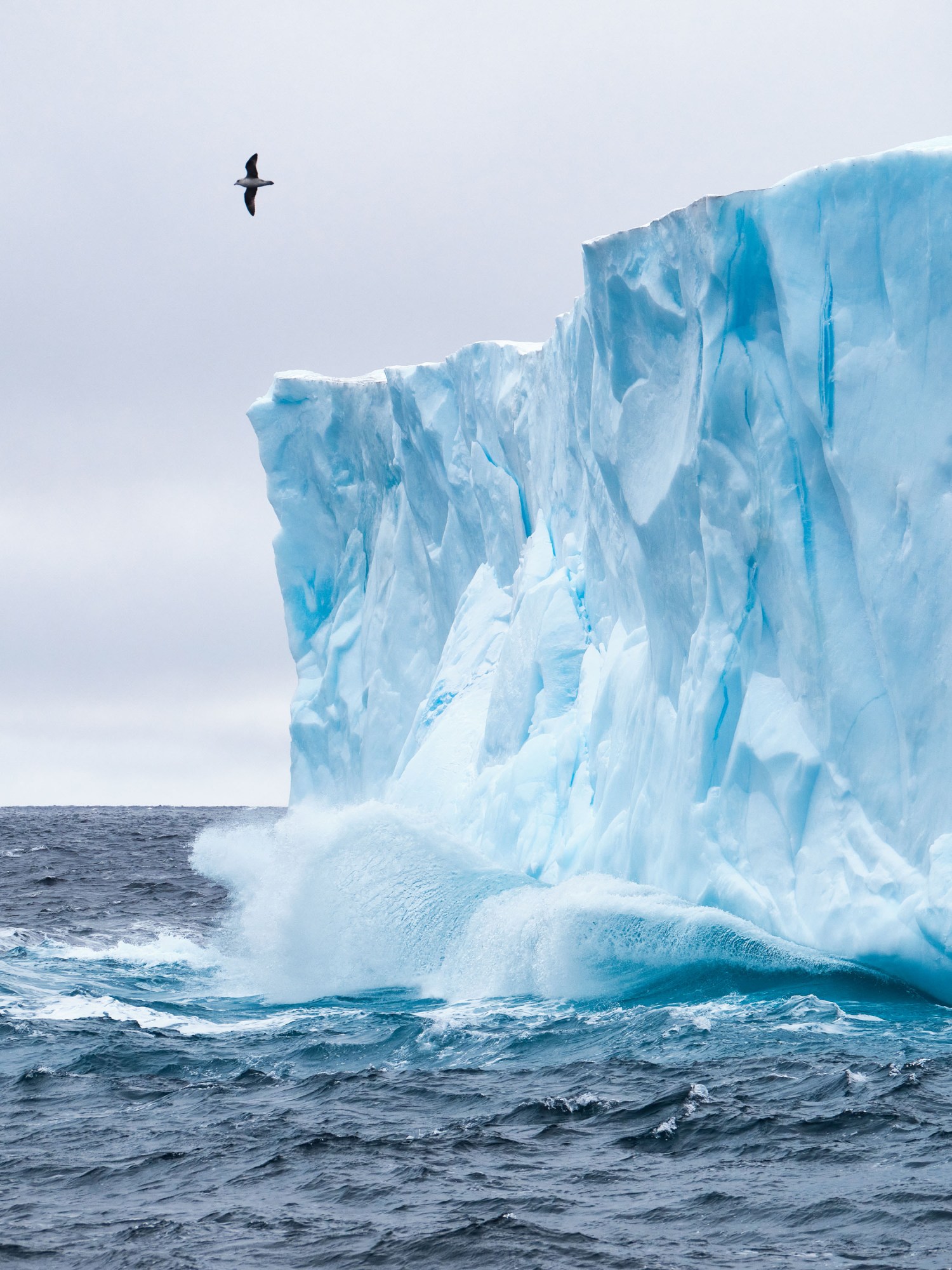
At the end of the study, the team hopes to have data that could improve climate projections for a future ice-free “blue Arctic,” helping us understand how it could affect marine life and carbon storage, Atlantic Ocean circulation, or extreme weather events in Europe and North America.
Tim Kalvelage is a freelance science reporter based in Bremen, Germany, who focuses on climate, ocean, and polar research. He has been to the North Pole twice.
Deep Dive
Climate change and energy
The snow gods: How a couple of ski bums built the internet’s best weather app
“We were just trying to create something that made us happy.”
Brutal times for the US battery industry
Investors are pulling back and companies are going under. What comes next?
Is fake grass a bad idea? The AstroTurf wars are far from over.
Around the country, heated debates are taking place over whether to install artificial turf, pitting neighbors against each other.
Why this battery company is pivoting to AI
SES AI is hoping for a new life after more than a decade in the battery manufacturing business.
Stay connected
Get the latest updates from
MIT Technology Review
Discover special offers, top stories, upcoming events, and more.